Regular medical check-ups
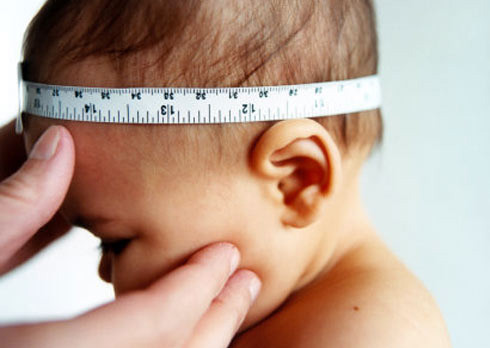
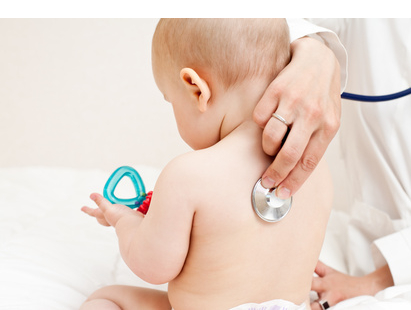
Regular medical check-ups of healthy children will pick up any potential problems, allowing to take steps in either preventing them or beginning early treatment. They make early detection of diseases possible.
Follow-up of the premature infant. Diagnosis, treatment and monitoring of sicknesses and pathologies
RESPIRATORY AND ENT: bronchitis, asthma, ear infections, throat infections ...
GASTROENTEROLOGY: vomiting, gastroesophageal reflux, celiac disease, abdominal pain, constipation ...
NEUROLOGY: seizures, psychomotor retardation, muscular dystrophy, speech delay ...
ENDOCRINOLOGY: diabetes, growth retardation, precocious puberty ...
ORTHOPEDICS AND TRAUMA: hip displasia, flat feet, clubfoot, torticollis, scoliosis ...
OTHER pathologies and diseases. Child Psychiatry and Psychology
BEHAVIORAL PROBLEMS: ADD (Attention Deficit Disorder)and defiant conduct disorders.
ANXIETY DISORDERS: separation disorders, OCD (Obsessive-Compulsive Disorders), phobias and fears, and so on.
MOOD DISORDERS: depression, bipolar disorder, etc.
EATING DISORDERS: anorexia, bulimia, psycological eating disorders.
DEVELOPMENTAL DISORDERS: Autism spectrum disorders, learning disabilities, disorders of development of language, Asperger, psychological and psychiatric problems in mental retardation.
PSYCHOTIC DISORDERS: schizophrenia, delusional disorder.
SUBSTANCE ABUSE DISORDER: drug addiction.
PSYCHOLOGICAL DISORDERS THAT COME WITH NEUROLOGICAL PROBLEMS such as tics, Syndrome of Gilles de la Tourette, problem behavior in metabolic diseases, epilepsy and chromosomal syndromes.
ENURESIS AND ENCOPRESIS.
PROBLEMS IN ADOPTED CHILDREN.
PROBLEMS IN CHILDREN OF DIVORCED OR SEPARATED PARENTS. Prenatal consultation
It´s frequent for women to have regular check-ups throughout pregnancy, however, the query for a paediatric prenatal consultation is still quit uncommon. Since 1984, the American Academy of Pediatrics recommends a prenatal visit in all pregnant women in their third trimester as it is known to increase the rate of breastfeeding, improve the parent-paediatrician relationship, reduces unnecessary visits to the emergency room, and so on. In the United States, these consultations are frequent and have proved to be very useful in improving the health of child and mother.
The following topics will be approached:
-General tips for the care of a baby. Umbilical cord care. Bathing a newborn.
-Warning signs in a newborn, when to go to the doctor.
-Breastfeeding: It´s been proven that instructing parents before and after birth is essential in initiating and maintaining breastfeeding. The paediatrician is a relevant figure in prenatal education and shares the responsibility, together with the obstetrician, midwife and nurse, to help pregnant women to make an informed choice about the best method of feeding their child.
-How to correctly prepare and warm up a bottle of infants milk.
-Preventing Sudden Cot Death.
-Tips on healthy lifestyle for children.
-Information about childbirth.
-Getting ready for the arrival: The essentials you need when your baby comes home. Lectures at nurseries and schools
We give talks in nurseries and schools, both for parents and school staff, on different topics related to children such as, vision care, prevention of scoliosis and back pain, prevention of accidents in the classroom ... We have given out information talks at different nurseries and schools to provide information on epidemics such as influenza, meningitis, lice ...
In addition, in most classes there are children with different illnesses such as diabetes, coeliac diseases, allergies, asthma ... that would benefit from an open relationship between school staff and the doctor. We are always willing to explain these pathologies and how to handle them.
Home visits
If you rather not leave the house with your sick child, ask about our home visits and we´ll come to you.
Children's allergy service
ALLERGY DISORDERS: Rhinitis, allergic conjunctivitis and asthma (allergy to pollen, dust mites, animal dander). Eczema and contact dermatitis. Urticaria, angioedema, and anaphylaxis. Food allergies (cow's milk protein, egg, fruit, nuts ...), allergy to insect stings (bee, wasp ...), drug allergies.
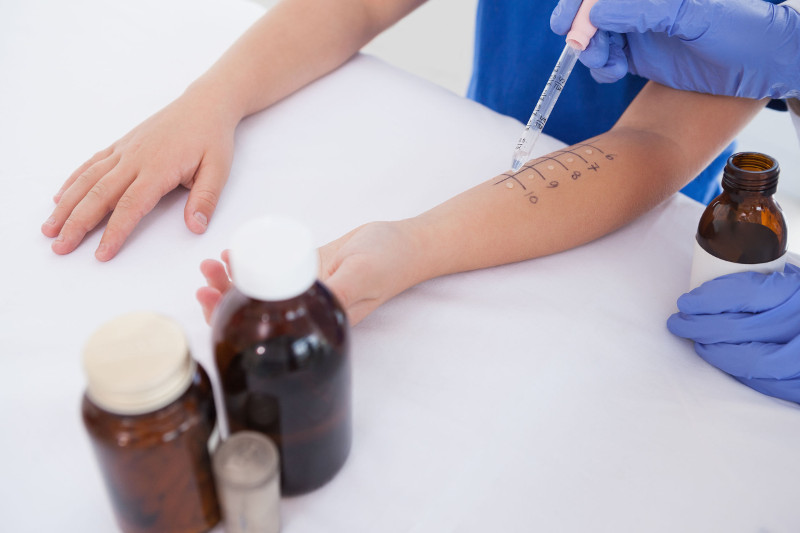
ALLERGY TESTING: skin tests (Prick test) and blood tests, lung function tests for asthma (Spirometry).
ALLERGY TREATMENT: Environmental control measures, patient and family education, management of asthma and allergy disorders, drug treatment and allergy shots (Immunotherapy).